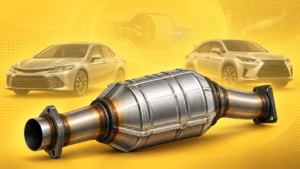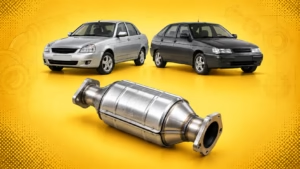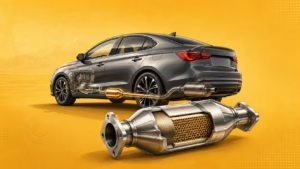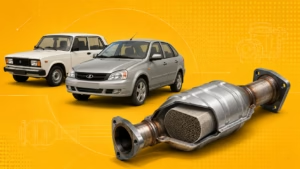
Introduction: Sellers in Astana and across Kazakhstan often notice a big gap between offers for used converters. That gap is not random. A fair catalytic converter price depends on what is inside the unit, which vehicle it came from, how complete it is, and how clearly it can be identified. When those points are checked with care, sellers are less likely to accept a low quote for a part that may be worth much more.
Key Takeaways
- Metal content is the biggest value driver.
- Vehicle model and part code can change the quote a lot.
- Original units often bring more than generic replacements.
- Condition matters because damage can lower recovery value.
- Clear evaluation helps sellers avoid underpricing.
- Comparing offers only works when the same details are checked.
What makes one converter worth more than another?
The short answer is simple. Buyers pay more for units that contain more recoverable precious metals and can be identified with confidence.
That is why two converters that look similar on the outside may receive very different offers. The shell size, the brand on the car, or the age of the unit do not tell the full story by themselves. What matters most is the ceramic or metallic core inside, the likely level of platinum, palladium, and rhodium, and whether the buyer can confirm the exact type.
Many owners compare the cost of a catalytic converter with a quote and feel confused. That confusion is common. The value is not based on weight alone. It is based on material content, part identification, and condition.
Metal loading is the main driver
At the heart of every serious valuation is metal loading. Catalytic converters contain platinum-group elements that help reduce harmful exhaust gases. According to the U.S. Geological Survey, platinum-group elements include platinum, palladium, and rhodium, and they have important industrial uses, including emissions control. That basic fact explains why some units stand out in the market.
If a converter has a richer metal loading, it will usually attract a stronger offer. If it has a lower loading, the offer will usually be lower. This is also why original factory units often receive more attention than some aftermarket versions. The original unit may contain a different amount and mix of recoverable metals.
For a simple background on composition, see metals inside a catalytic converter. That overview helps explain why the final value can shift even when two parts seem close in size.
Which metals matter most?
Platinum, palladium, and rhodium matter most because they are the core recovery targets in many automotive converters.
However, sellers should not try to guess content from appearance alone. The outer housing does not reveal the full picture. A proper review looks at the code, the type, and the unit’s condition.
Does vehicle model change the quote?
Yes. Vehicle model can change the quote a lot.
People often ask which catalytic converters are the most expensive. In general, the higher-value units are the ones linked to stronger precious metal loading and clearer identification. That can include certain original converters from specific engines or production lines. It does not mean every unit from a premium car is automatically worth more, and it does not mean every small car unit is low value. The exact code still matters.
Sellers also ask from which cars are the most expensive catalytic converters. The practical answer is this: value follows the specific converter, not just the badge on the hood. Two cars from the same maker can carry very different units. Even the same model can change across engine size, fuel type, or production year.
Can two converters from the same brand have different value?
Yes. Engine type, production year, emissions setup, and original part code can all affect value.
That is why a buyer will often ask for the code first. It saves time and gives a more accurate starting point.
Table: Main factors that shape converter value
The table below shows the main factors buyers review when they prepare a quote for a used converter.
| Factor | Why it matters | Typical effect on quote |
|---|---|---|
| Precious metal loading | Higher platinum, palladium, or rhodium content usually means more recovery value | Strong positive effect |
| Part code and identification | Clear identification reduces guesswork and helps match the unit correctly | Improves quote accuracy |
| Vehicle model and engine type | Different engines and emissions systems may use different converter designs | Can raise or lower the offer |
| Original or aftermarket unit | Factory units often differ from replacement units in composition and consistency | Often affects value noticeably |
| Physical condition | Broken, empty, contaminated, or heavily damaged cores can reduce recovery potential | Often lowers the quote |
| Completeness of the unit | A complete converter is easier to assess than a partial or heavily cut section | Supports a clearer offer |
Why do buyers ask for the code and condition first?
Because these two details help separate a rough guess from a serious quote.
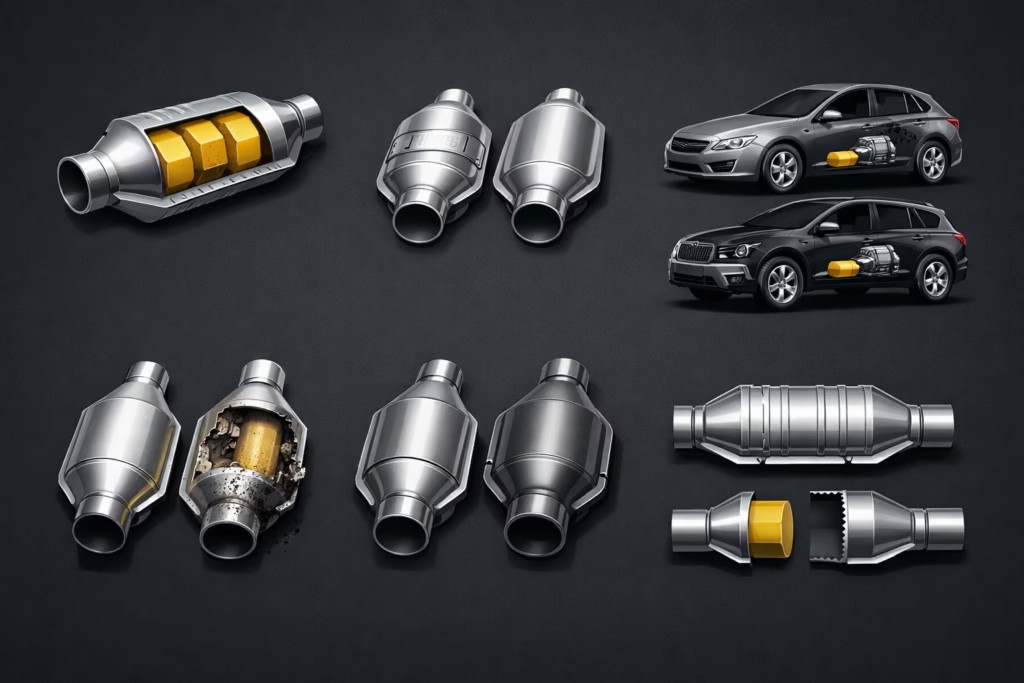
The code helps identify the unit. The condition shows whether the core is likely intact and whether the converter is original, damaged, empty, or contaminated. A clean photo of the shell and visible markings can make a big difference during the first review.
The final price of a catalytic converter becomes more reliable when the buyer sees enough detail to assess the unit correctly. If a seller gives only a car brand and a rough description, the offer may be broad and cautious. If the code, photos, and condition are clear, the offer can be far more precise.
How transparent evaluation protects sellers
Transparent evaluation matters because it helps sellers see why an offer is high, average, or low. Without that clarity, it is easy to focus on the first number you hear and miss the reason behind it.
A proper review should look at identification, expected metal content, and the actual state of the unit. It should also avoid vague promises. If you want a closer look at the process, see how QazaqKat evaluates catalytic converters. That type of explanation is useful for private car owners, workshops, and dismantling yards that need a fair basis for comparison.
This is especially important when sellers compare several buyers. One quote may look higher at first, but it may be based on incomplete information. Another may look lower until the code is confirmed. A clear evaluation lets you compare offers on equal terms.
Why are converters actively purchased?
Many sellers wonder why catalytic converters are bought up. The reason is straightforward. Used converters contain recoverable materials, and proper recycling returns those materials to industrial supply chains instead of sending them to waste.
There is also strong market attention around converters because of their metal content. According to the National Insurance Crime Bureau, catalytic converter thefts have been on the rise. That is one more reason legitimate, documented recycling matters. Sellers should work with buyers who provide clear communication, transparent assessment, and responsible handling.
For Kazakhstan, this has another benefit. Proper collection and recycling support cleaner material recovery, reduce waste, and help keep valuable secondary raw materials in circulation. That supports environmental responsibility as well as fair commerce.
How can you avoid underpricing?
Start with the basics. Check the code, note the vehicle model and engine, and take clear photos from more than one angle.
Next, describe the condition honestly. Say whether the unit is complete, cut, damaged, or removed from a running vehicle. If you are not sure what part you have, identify its location first. A simple technical guide such as Catalytic Converter Explained Simply can help you speak about the part more clearly when you request a quote.
Then compare offers only after you give the same details to each buyer. If one buyer receives only a short message and another receives photos and code markings, the quotes are not directly comparable.
Finally, do not assume the heaviest unit or the newest unit is always the most valuable. Weight can mislead. Age can mislead. Identification and material content matter more.
When should you compare several quotes?
Compare quotes when the unit is identifiable and the information is complete.
If your converter has a visible code, if the housing is intact, or if you manage a batch from a workshop or dismantling yard, comparing offers makes sense. It gives you a better feel for the market and helps confirm whether one buyer is underpricing the unit.
However, remember that speed alone should not decide the sale. A fast answer is useful, but a clear answer is more useful. The best outcome usually comes from a buyer who explains the basis of the quote and handles the process responsibly.
For workshops, auto businesses, and private owners who want a clear purchase of catalytic converter process, that transparency is often the difference between a fair deal and a rushed one.
For a complete overview of this topic, read Catalytic Converter Basics for Kazakhstan Drivers.
Summary
Some converters cost more than others because they are not equal in metal loading, part type, vehicle application, or condition. A unit with stronger recoverable content, clear identification, and intact structure will usually attract a better quote than one with uncertain origin or visible damage. That is the real reason price differences can be so wide from one converter to another.
For sellers in Astana and across Kazakhstan, the smart move is simple: gather the code, provide clear photos, describe the condition honestly, and compare quotes on equal terms. Qazaqkat supports this approach through transparent evaluation, responsible recycling, and service for private owners, workshops, dealers, dismantling yards, and industrial partners. If needed, sellers can contact the company by phone at +7 708 838 63 26 or +7 707 470 85 33, by email at info@qazaqkat.kz, or visit 9 Kendala Street, Astana 010006, Kazakhstan.
FAQ
Why can two similar-looking converters get very different offers?
Because appearance does not show the full material content. The part code, metal loading, original application, and physical condition often matter far more than size alone.
Does a damaged converter always have low value?
Not always, but damage can reduce certainty and recovery potential. A broken, empty, or contaminated unit will usually receive a lower offer than a complete and identifiable one.
Is the vehicle brand enough to estimate value?
No. The brand helps only a little. A more accurate estimate needs the converter code, engine type, condition, and clear photos.
Why is transparent evaluation important for sellers?
It shows the basis of the quote. That makes it easier to compare buyers fairly and reduces the risk of accepting a price that does not reflect the real unit.
Who can sell used converters for recycling?
Private car owners, auto repair workshops, car dealerships, dismantling yards, and industrial partners can all need this service, especially when they want a documented and responsible recycling route.