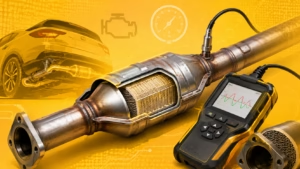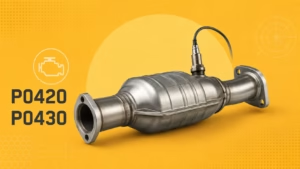
Introduction: A failing catalytic converter in a car rarely goes bad all at once. In many cases, it starts with small clues – slower pickup, a strange exhaust smell, rough running, or a warning light that appears and then stays on. If you notice these signs early, you have a better chance of finding the real cause before heat, blockage, or engine trouble creates a bigger repair bill. This guide explains the first symptoms everyday drivers should watch for, what those symptoms often mean, and when to move from simple diagnosis to replacement.
Key Takeaways
- Power loss under load is one of the earliest warning signs.
- A sulfur or rotten-egg smell should not be ignored.
- A check engine light does not confirm failure by itself.
- Rough idle and weak acceleration can point to exhaust blockage.
- Short trips to a repair shop are safer than long drives with severe symptoms.
- Diagnosis matters because other engine faults can mimic converter trouble.
- If replacement is confirmed, proper recycling protects the environment.
Why early converter signs matter
The converter helps clean exhaust gases before they leave the tailpipe. If you want a quick refresher on how it works, this guide to purpose, operation, and maintenance gives a simple overview.
When the unit starts to clog or break down inside, exhaust flow can suffer. That can make your car feel lazy, shaky, or unusually hot. The longer you wait, the more stress the engine and exhaust system may face. Therefore, early action is usually cheaper and safer than waiting for a full failure.
What does early converter trouble feel like?
Most drivers notice a change in how the car feels before they notice anything under the hood. Pay attention to what happens during normal driving, not just during hard acceleration.
Power drops when you press the pedal
One of the clearest signs of a clogged catalytic converter is weak acceleration. The engine may rev, but the car does not build speed as it should. This often shows up first when merging, climbing a hill, or carrying extra weight.
If the car feels fine at low speed but struggles when you ask for more power, exhaust blockage is worth checking. A converter that cannot pass gases freely can act like a plug in the system.
A bad smell comes from the exhaust
A sulfur or rotten-egg smell is another common clue. According to AutoZone, symptoms of a clogged converter can include poor performance, an illuminated warning light, and a sulfur smell from the exhaust. If that odor appears more than once, do not brush it off as bad fuel.
Smell matters because it often shows that exhaust gases are not being treated as they should. In some cases, overheating inside the unit can make the odor stronger.
The engine runs rough at idle or startup
Early clogged catalytic converter symptoms can feel like a rough idle, shaky startup, or uneven response at low speed. The engine may seem slightly out of breath. Some drivers describe it as a soft hesitation rather than a dramatic failure.
However, rough running can also come from ignition or fuel issues. That is why this symptom should lead to diagnosis, not guesswork.
The check engine light comes on
A warning light is important, but it is not a final answer. Many faults can trigger the same light. Think of it as a prompt to scan the system and inspect the car soon, not as proof that the converter alone is bad.
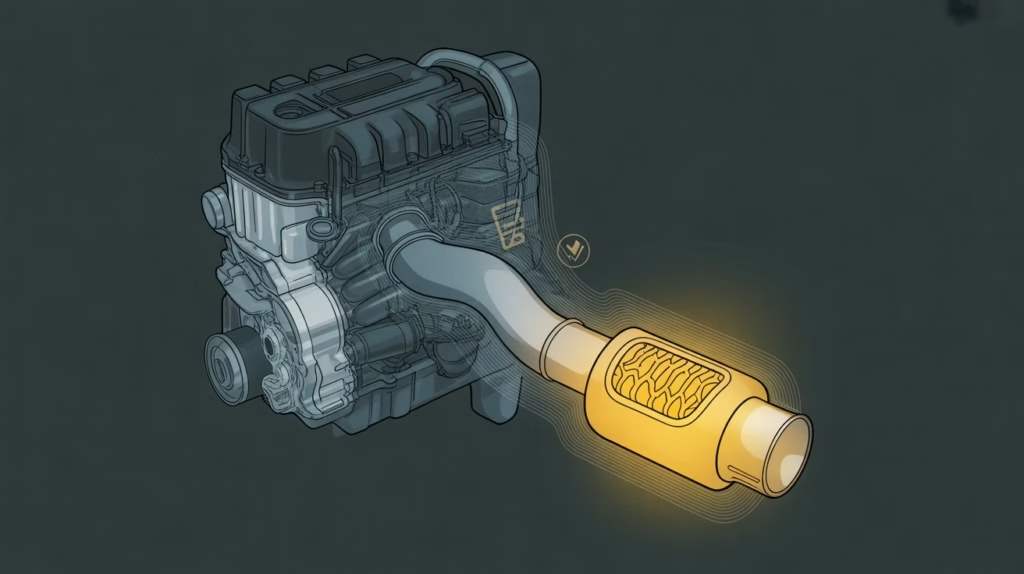
Table: Early symptoms, what they often mean, and your next step
| Symptom | What it can suggest | Smart next step |
|---|---|---|
| Slow acceleration | Restricted exhaust flow or rising blockage | Get a scan and exhaust check before the problem gets worse |
| Sulfur smell | Poor exhaust treatment or overheating | Limit driving and have the system inspected soon |
| Rough idle | Exhaust restriction or another engine issue | Check for fault codes and confirm the root cause |
| Check engine light | Emission-system fault, not always converter failure | Read the codes rather than replacing parts at random |
| Heat under the floor | Possible overheating in the converter area | Stop long trips and arrange diagnosis quickly |
Can a failing converter cause power loss?
Yes. If exhaust cannot move out freely, the engine cannot breathe well. That loss often shows up first during acceleration, uphill driving, or higher speeds. One of the easiest signs of a dying catalytic converter to notice is when the car feels heavier than usual, even though the engine starts and idles.
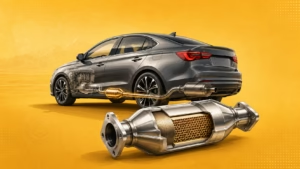
If you are not sure where the part sits, this article on where the catalytic converter sits in most vehicles can help you understand why heat and exhaust symptoms often seem to come from under the car.
What other warning signs should you watch for?
Look for patterns, not one isolated event. A brief hesitation once may mean little. Repeated symptoms deserve attention.
Heat and noise changes
If the underside of the car seems hotter than normal, or if the exhaust note changes in a way that sounds strained, the unit may be overheating or breaking down internally. Rattling can also happen when material inside starts to fail.
Worse fuel economy
A struggling exhaust system can make the engine work harder. While fuel use can change for many reasons, a sudden drop paired with power loss and odor is worth checking.
Dark exhaust or unusual exhaust behavior
Some drivers notice smoke or darker exhaust when the system is not working well. One of the more obvious signs the catalytic converter is clogged is when several symptoms show up together – weak acceleration, smell, warning light, and poor running.
Should you keep driving?
Only if the symptoms are mild and you are heading straight to diagnosis. If power loss is severe, the smell is strong, or the car feels unsafe in traffic, stop using it for normal trips.
Short drives to a trusted shop are one thing. Long trips, heavy loads, and high-speed driving are another. Those conditions add heat and stress. They can turn a manageable problem into a stranded-car problem.
Diagnosis or replacement – what comes next?
Start with diagnosis. Read fault codes, check for misfire or fuel issues, and inspect the exhaust path. Replacing the converter too soon can waste money if the real fault sits elsewhere.
According to AAA Automotive, replacement can be expensive. That is a good reason to confirm the cause before you approve a major repair. A converter may fail because of age, contamination, overheating, or another engine problem that damaged it over time.
If testing confirms the converter has failed, act quickly. Driving for too long with a blocked unit can make the car harder to control in traffic because response becomes weak and uneven.
How can everyday drivers respond early?
Keep it simple:
- Notice changes in acceleration, smell, and idle quality.
- Do not ignore a warning light that stays on.
- Ask for a scan and a clear explanation of the results.
- Fix related engine issues if they caused the converter problem.
- Choose responsible recycling if replacement is needed.
These steps help you avoid random parts swapping. They also protect the new part if you do need one.
When replacement is the right move
If the unit is melted inside, physically damaged, badly clogged, or no longer cleaning exhaust gases as it should, replacement is often the practical path. At that stage, repair is usually not realistic.
For drivers, workshops, and dismantling businesses in Kazakhstan, responsible handling matters after removal. A used car catalytic converter should be evaluated and recycled through a professional company that uses clear pricing and proper processing methods. That helps recover valuable metals, reduce waste, and keep disposal safe.
Summary
The first signs of converter trouble are usually easy to miss because they feel small at first: weak acceleration, rough running, bad odor, extra heat, or a warning light. Still, those small signs matter. If you catch them early, you can confirm the cause, avoid bigger exhaust or engine stress, and make a smarter repair decision. If replacement is confirmed and you are in Kazakhstan, Qazaqkat offers professional assessment and responsible recycling with a clear, practical approach for both private drivers and business clients.
FAQ
Can a bad converter make my car smell like sulfur?
Yes. A sulfur or rotten-egg smell is a common warning sign and should be checked soon, especially if it appears with power loss or a warning light.
Will a check engine light always mean the converter has failed?
No. The light only tells you that the system detected a fault. You still need a scan and proper diagnosis to confirm the real cause.
Is rough idle a possible early symptom?
Yes. Rough idle can appear early, but it can also come from fuel or ignition issues. That is why testing matters.
Can I keep driving if the car still moves?
You may manage a short trip to a repair shop if symptoms are mild. Avoid long drives or heavy use if the car feels weak, overheated, or unsafe.
What should I do after replacement?
Ask what caused the failure, fix any related engine issue, and make sure the removed part goes to a responsible recycling company rather than general waste.