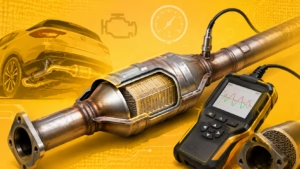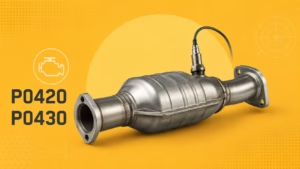
Introduction: Yes, a removed or damaged converter can still be sold for recycling in many cases. The key issue is not whether it was taken off the car, cut from the exhaust, or has visible wear. The real issue is whether the unit is still identifiable and whether the internal material is still present. That is why many sellers start by asking about catalytic converter acceptance before they bring anything in. If you tell the buyer exactly what was removed, what condition it is in, and what parts are missing, the review usually goes faster and with fewer delays.
Key Takeaways
- A removed converter may still be accepted if it can be identified.
- Damage does not always mean zero value.
- An empty shell or missing core creates major problems.
- Clear photos, markings, and honest details speed up assessment.
- Cut, failed, and used units are not all judged the same way.
- Do not clean out or break apart the unit before review.
- Ask about the process first if you are unsure.
Can removed or damaged converters still be sold?
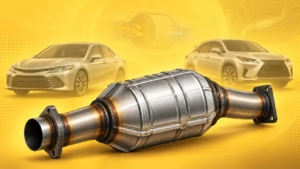
Often, yes. A buyer may still accept a removed unit if it is a real converter, the body and markings allow identification, and the ceramic or metallic core is still inside.
However, not every damaged piece can be assessed the same way. A unit that is cut from the exhaust but still whole is very different from a shell that has been broken open, emptied, or mixed with unrelated scrap.
This is why condition matters so much. It affects how easily the buyer can verify the part, compare it to known models, and judge whether a fair offer is possible.
What matters most?
Identification comes first. If the buyer can match the converter to its type, markings, and physical condition, the review is simpler. If those clues are gone, the process slows down.
For a plain-language refresher on how this part works, see this simple explanation of a catalytic converter. It helps many first-time sellers understand why the inside of the unit matters more than the outside dirt or surface rust.
Why does damage change the process?
Damage affects two things at once: identification and confidence. The more complete the unit looks, the easier it is to check what it is. The more pieces that are missing, the harder it becomes to verify what remains.
Normal wear is not the same as destructive damage
A used converter may fail on the car and still be recyclable. Cracks, dents, rust, heat marks, and worn flanges do not automatically rule it out.
In contrast, if someone has broken the shell open or removed the inside material, the unit becomes much harder to judge. In those cases, the shell alone may tell only part of the story.
What if the converter was cut off?
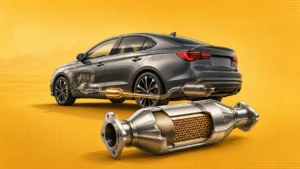
Cutting out a catalytic converter from the exhaust does not always destroy its recycling value. Many units reach buyers after removal with pipe sections still attached. That is common.
If someone cut out the catalytic converter cleanly and left the main body intact, the buyer may still have enough information to inspect it. The problem starts when extra cutting removes labels, damages the body, or makes the unit look incomplete.
What if someone opened it?
That is a bigger issue. Some people try to knock out the catalytic converter core from the shell. Once that happens, assessment becomes harder because the most important material may be missing, contaminated, or separated from the housing.
When that level of damage exists, always say so before you deliver the item. Honest disclosure saves time for both sides.
What buyers usually want to see
A buyer does not just look at one thing. They usually review several clues together. The shell shape, size, weight, inlet and outlet layout, welded sections, and serial or brand markings can all help.
According to the RRCats identification guide, brand names and stamped numbers are key clues when identifying scrap converters. That is one reason sellers should avoid extra grinding, sanding, or cutting that may remove visible markings.
A clear photo can help before you travel
If you are far from the buyer, send photos first. Good photos can show the casing, the pipe ends, stamped numbers, and the visible inlet or outlet.
A close image of the inlet, outlet, and any visible catalytic converter cross-section can also help the initial review, especially when the shell has already been cut from the exhaust line.
Tell the full story
Say whether the unit came from a private car, workshop, dismantling yard, or stock of used parts. Also say if it was removed because of failure, accident damage, or exhaust repair. Small details often answer big questions.
If you are unsure whether the part failed before removal, this guide to early signs of converter failure may help you connect the condition of the car with the condition of the unit you now have.
What this table shows about condition and assessment
| Condition of the unit | Can it usually be identified? | What the buyer may ask for | Likely effect on review speed |
|---|---|---|---|
| Removed but complete | Often yes | Photos, markings, basic vehicle details | Usually faster |
| Cut off with pipe pieces attached | Often yes | Clear images of body and numbers | Moderate |
| Dented or heat-damaged shell | Sometimes | More photos and close inspection | Moderate to slow |
| Broken open but core still present | Sometimes | Honest condition report and careful review | Slower |
| Empty shell or missing internal material | Hard to assess | Full disclosure before delivery | Often delayed or declined |
| Mixed parts from several units | Hard to assess | Sorting and separate photos | Slower |
How is value judged when the unit is damaged?
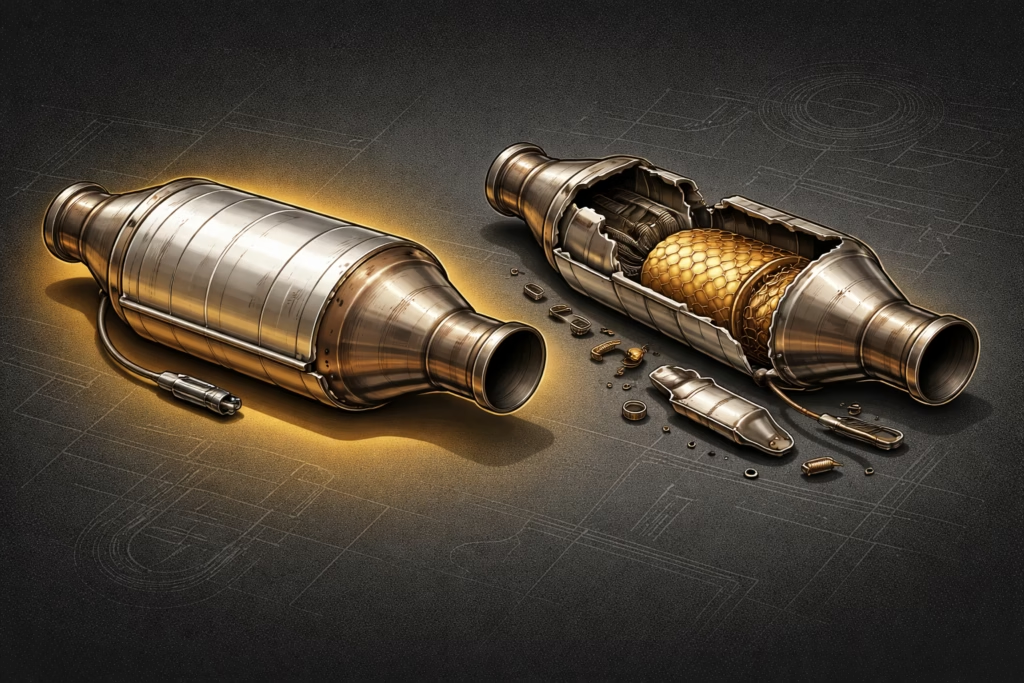
Damage does not create one fixed result. It changes how certain the buyer can be. A complete removed unit may be straightforward. A broken or partly disassembled unit may need a more careful review.
That is why the discussion often moves quickly from condition to catalytic converter price. The clearer the identification, the easier it is for the buyer to assess what is in front of them using consistent methods.
Surface damage versus missing content
Surface damage affects appearance. Missing content affects substance. Those are not the same thing.
A dirty or rusty shell can still be reviewed. An opened shell with missing internal material raises bigger questions. Sellers often think the outside tells the whole story, but with this type of part, the inside matters most.
Do not clean, split, or sort it yourself
Leave the unit as you found it after removal. Do not hammer it open. Do not shake out the contents. Do not separate the shell from the inside.
Once a converter is altered again after removal, you may reduce the number of clues that help identify it. You may also slow the process because the buyer now has to work with less information.
Is it legal to sell a removed converter?
It can be legal to sell a removed converter for recycling, but the legality of removal and resale depends on where you are, how the part was obtained, and whether it came from a lawful repair or dismantling process.
As a general regulatory example, the US EPA fact sheet on tampering explains that removing or disabling emission control equipment can be unlawful in some situations. That does not describe every country or every case, but it shows why source and disclosure matter.
What should you do?
Keep repair records if you have them. Say where the unit came from. If you run a workshop or dismantling business, sort parts clearly and document them. If you are a private seller, be ready to explain why the unit was removed.
How to speed up the review
You do not need technical jargon. You need clear facts.
- Send photos before delivery if possible.
- Show stamped numbers, brand marks, and both ends.
- Say if the shell is cracked, cut, or opened.
- Say whether the inside material is still present.
- Do not hide missing pieces or heavy damage.
- Keep each unit separate from other scrap.
Why honesty helps so much
Buyers see removed and worn parts every day. Damage alone is not the issue. Surprises are the issue.
If a seller says a unit is complete and it arrives half empty, trust drops fast. If a seller says up front that the housing is broken but the core is still inside, the buyer can prepare for that review. Clear facts save time.
Who should ask for a pre-check first?
Ask first if you have a unit with missing labels, severe impact damage, opened casing, mixed parts, or uncertain origin. A quick message with photos can prevent an unnecessary trip.
This is also smart if you are not sure whether the part is a converter, a diesel filter, or another exhaust component. Similar parts can look alike to non-specialists.
When should you bring the unit in?
Bring it in when you can present it as one complete piece, with as many visible clues as possible. Leave attached pipes if they help show where it came from. Keep any related paperwork if you have it.
If you have a removed car catalytic converter and want a clear, professional review in Kazakhstan, Qazaqkat offers purchasing and recycling support with transparent communication and responsible handling.
For a complete overview of this topic, read Catalytic Converter Basics for Kazakhstan Drivers.
Summary
A removed, cut, failed, or partly damaged converter may still be accepted for recycling. What matters most is whether the buyer can identify the unit and confirm that the important internal material is still present. A clean cut from the exhaust is often less serious than an opened shell or missing core. The fastest way forward is simple: keep the unit intact, send clear photos, and describe the real condition without hiding damage.
For sellers in Kazakhstan, Qazaqkat provides a straightforward path for review and recycling, with service across the country and a main location in Astana at 9 Kendala Street. If you need help, you can contact the team at +7 708 838 63 26, +7 707 470 85 33, or info@qazaqkat.kz.
FAQ
Can a failed converter still be worth something?
Yes, it can. Failure on the car does not always mean the removed unit has no recycling value. The result depends on whether the part is real, identifiable, and still contains its internal material.
Should I remove loose pieces from inside before selling it?
No. Leave the unit as it is. Extra handling can make review harder and may remove clues that help identify the part correctly.
Do attached pipe sections cause a problem?
Usually not. Attached pipe pieces are common after removal. In some cases, they even help show how the part sat in the exhaust system.
What photos should I send first?
Send clear images of the full casing, both ends, any stamped numbers, brand marks, and any visible cracks or cuts. Good lighting helps more than filters or close cropping.
Can I bring several used units together?
Yes, but keep them separate and do not mix loose parts from different items. Separate photos and simple notes about origin make the process much easier.